
Chichén Itzá history in the landscape
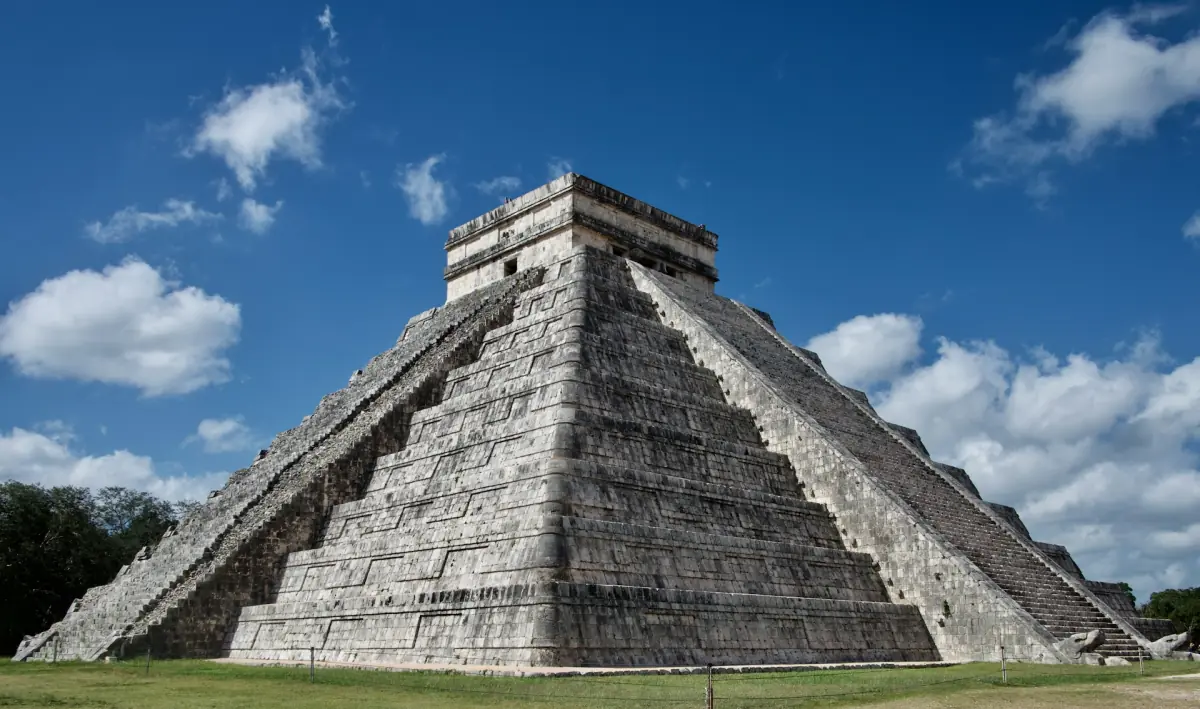
Chichén Itzá history is much broader than the Temple of Kukulcan, the stepped pyramid also known as El Castillo. The monument belongs to an archaeological site that preserves buildings, plazas and a sacred water source. Looking at them together makes a visit more rewarding: the pyramid is an anchor for understanding a city, rather than a complete account of it.
The city developed during the Classic period, and older monuments survive in the area known as Chichén Viejo. Different founding dates have been handed down, so a single precise founding date would tell a simpler story than the evidence allows. A guide can help connect the visible buildings with the longer sequence of change.
Explore the history
The audio guide offers historian-written recordings for an independent visit; the guided walks provide live interpretation. Check site admission separately.
Hand-picked tours, booked through GetYourGuide and Viator. Prices are indicative starting prices in US dollars (as of October 2026). Tap a tour for live availability and the current price in your currency.
Expert-guided visit
- Photos during the tour
- Shared expert guide
A private guide and parasol depend on the selected option. Check adult admission before booking.
Check availability →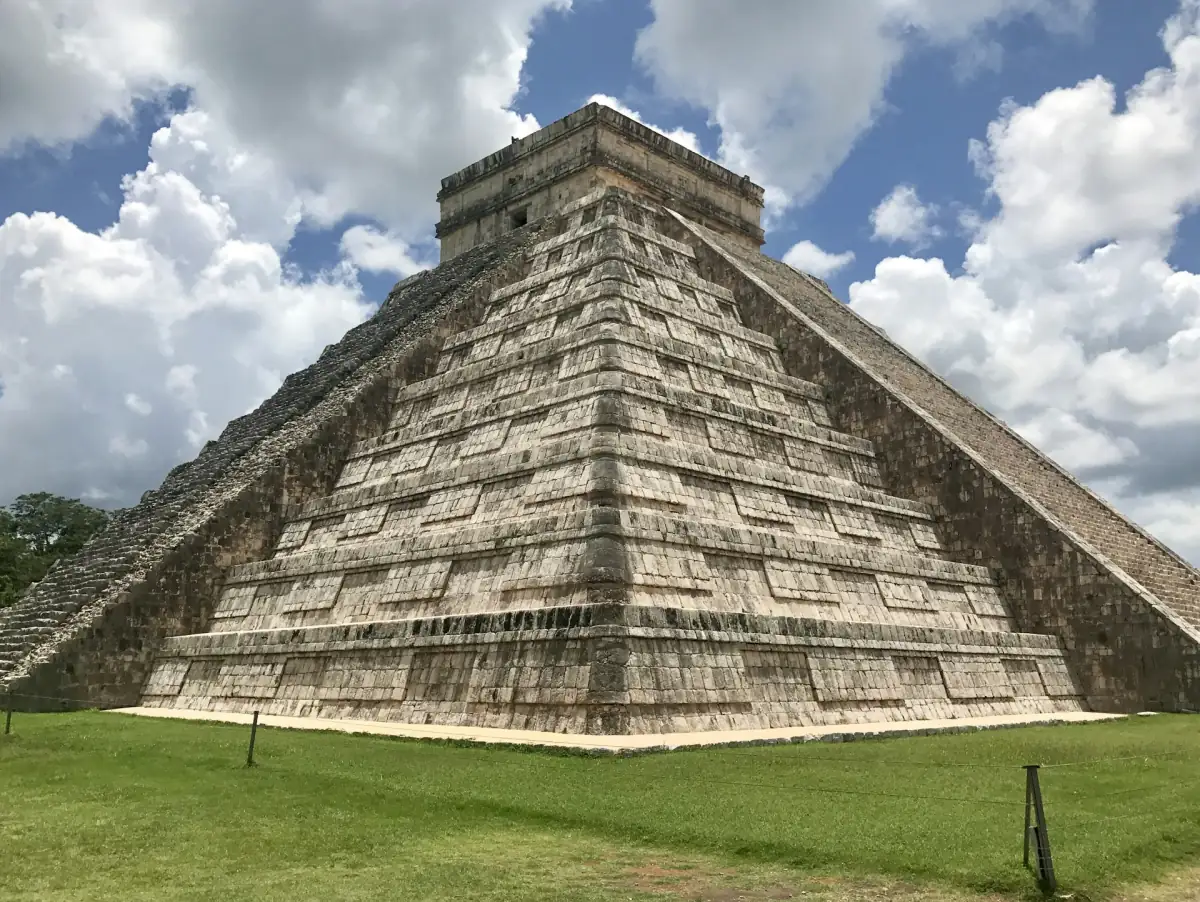
Guided walk with museum admission
- Licensed local expert guide
- Great Museum admission
Shared or private options are offered; the Chichén Itzá tax is extra. Museum admission is a product inclusion, subject to availability.
Check availability →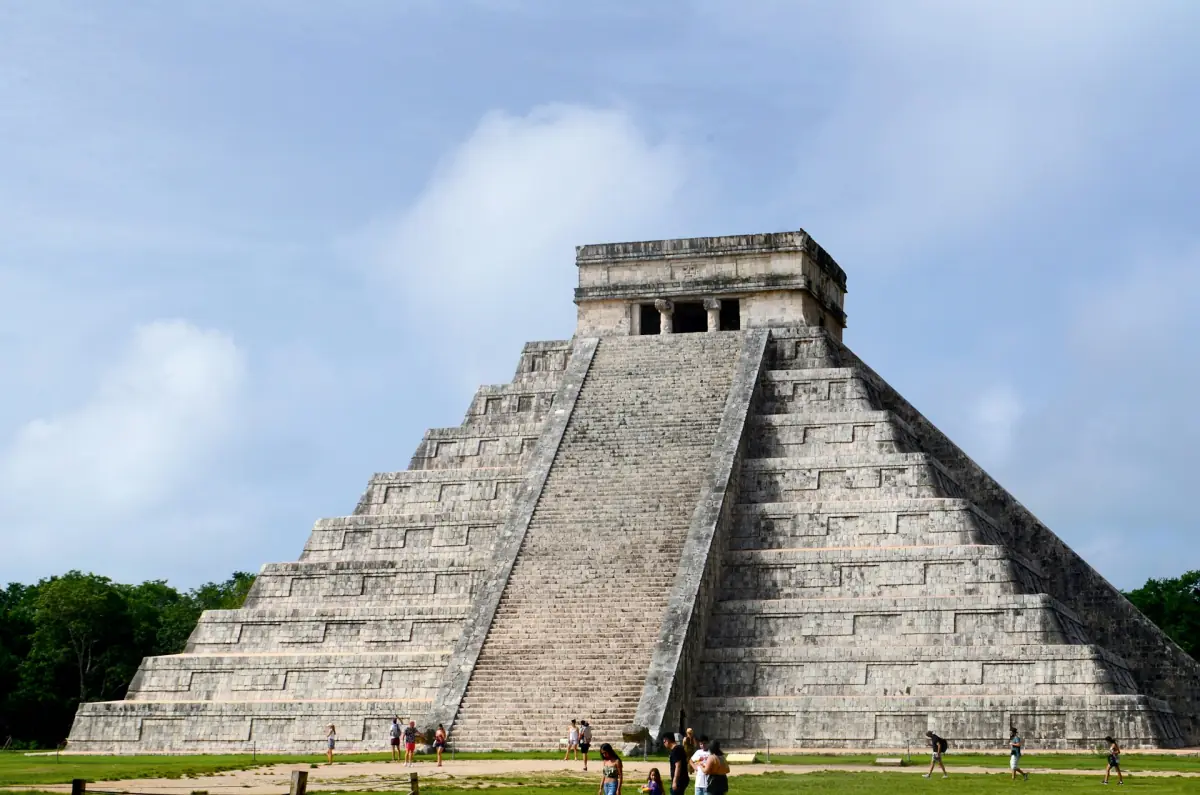
Historian audio guide
- Audio guide app
- 16 historian-written audio recordings
Self-guided, without a live guide; the site ticket is separate.
Check availability →Explore the history of Chichén Itzá
Choose a live guided walk or a historian's audio app to put the monuments and their setting into context.
Maya traditions and wider influences
The pre-Hispanic city brings together Maya building traditions and influences from central Mexico. Rather than trying to assign every detail to a single origin, notice how different buildings invite different questions. The stepped form of El Castillo, the sculpted figures at the Temple of the Warriors and the walls of the ball court each give a distinct view of the site's architecture and imagery.
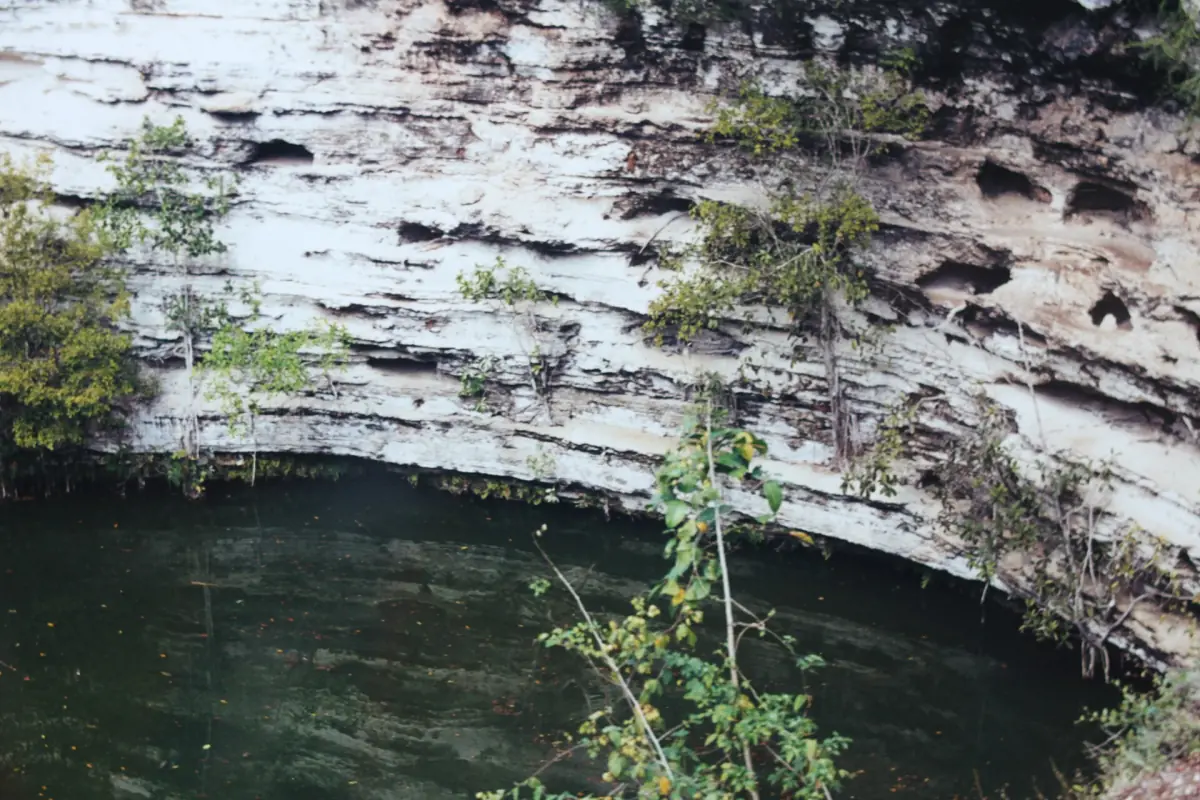
The main buildings stand on an artificial platform called the Gran Nivelación. A sacbé, or raised causeway, leads north from the main plaza toward the Sacred Cenote. The relationship between this water source and the monumental centre helps put ritual space into the landscape, beyond the most familiar photograph of the pyramid.
For a closer look at the pyramid's levels, stairways and neighbouring monuments, continue to our guide to Chichén Itzá architecture. It is useful to leave time for the surrounding structures as well as El Castillo itself. Visitors see the pyramid from the outside; climbing the pre-Hispanic structures is prohibited.
Religion and the Sacred Cenote
The Sacred Cenote was a place of ritual offerings. Its location at the end of the causeway makes it part of the story of the city and its ceremonial life. It is distinct from Ik Kil, a separately operated swimming cenote. If you want to add a swim to the day, read about Ik Kil and cenote visits rather than treating the sacred water as a bathing stop.
Chichén Itzá gradually lost power relative to Mayapán, but that shift did not mean that every connection with the site ended at once. Pilgrimage and ceremonial use continued, particularly at El Castillo and the Sacred Cenote. This later chapter is important because a political change and an immediate abandonment are not the same event.
UNESCO and the Gran Museo
UNESCO inscribed the pre-Hispanic city on the World Heritage List in 1988. The designation covers the city and its cultural importance, not just one pyramid. Thinking on that scale encourages visitors to look at the links among buildings, water and open spaces as well as individual carved details.
The Gran Museo offers another possible context for a visit. Access to the museum and the Serie Inicial area was suspended during the special operation on 20 and 21 September 2026. That limited period does not establish a permanent closure. Check current access when planning a museum visit, and allow the archaeological site its own time in the itinerary.
Choose how to hear the story
A live walk gives you a guide's explanation at the site. The historian's audio app offers 16 recordings for an independent visit; it does not include a live guide or admission. Another live walking option provides a different way to explore. Compare the language and admission terms of the option you choose, and confirm its meeting point.
Plan admission separately where needed. The ticket guide explains the components of the day fee, while the excursions guide compares site visits with longer days that include other stops. If you are deciding between an independent route and a guided day, first decide how much time you want to devote to the city itself.
El Castillo rewards more than a quick look. View its four stairways in relation to the surrounding plaza, then turn your attention to the ball court and the Temple of the Warriors. These are separate parts of one archaeological landscape, with their own forms and details. Keeping that wider setting in mind makes the historical narrative easier to follow without reducing the entire site to a single date or monument.
Questions about Chichén Itzá history
When was Chichén Itzá founded?
The city developed during the Classic period, but different founding dates are recorded. It is better understood as a place that changed over time than as a city established on one certain day.
What was the Sacred Cenote used for?
It was a place of ritual offerings, linked to the main plaza by a causeway. Ik Kil is a separate cenote for visitors interested in swimming.
Is El Castillo the whole UNESCO site?
No. The 1988 inscription concerns the pre-Hispanic city, of which the Temple of Kukulcan is one monument.
Does the audio app include admission?
The app has 16 recordings, but admission and a live guide are not included.